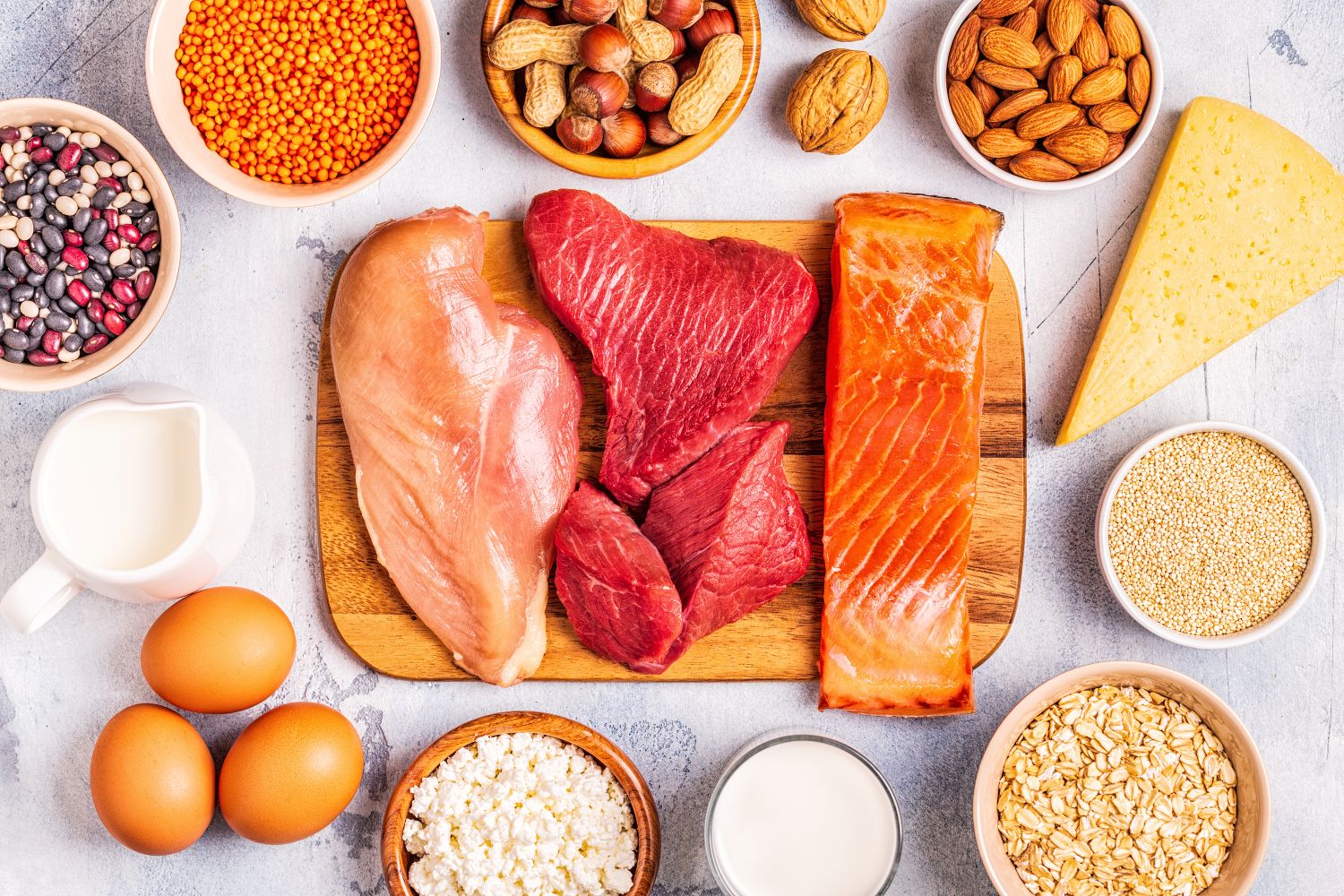
As consumers increasingly prioritize health and sustainability, the emergence of plant-based whey stands at the forefront of dietary innovation. This dairy-free protein alternative not only caters to the growing demand for plant-based options but also boasts impressive nutritional benefits. Delve into the origins and processing of plant-based whey, explore its advantages over traditional dairy, and discover creative ways to integrate this revolutionary ingredient into your daily routine. Uncover the secrets that make plant-based whey a game-changer in the protein landscape.
What is Plant-Based Whey?
Plant-based whey is sourced from a variety of plant materials, offering a viable protein alternative that includes essential amino acids and accommodates diverse dietary requirements.
Common sources include peas, brown rice, and sunflower seeds, which collectively contribute to a complete amino acid profile while being free from lactose. This characteristic renders plant-based whey an excellent option for individuals with lactose intolerance or those seeking to decrease their dairy intake.
Prominent brands such as Orgain and Garden of Life provide high-quality plant-based whey products, often enhanced with additional nutrients.
For instance, Orgain’s Organic Protein Powder combines pea and brown rice proteins, delivering 21 grams of protein per serving. Similarly, Garden of Life offers a selection specifically designed for athletes, emphasizing clean, organic ingredients devoid of artificial additives.
The Rise of Plant-Based Proteins
The demand for plant-based proteins has experienced significant growth, with sales projected to reach $25 billion by 2027. This increase is driven by changes in consumer preferences towards healthier dietary options.
Market Trends and Consumer Demand
Recent studies indicate that 50% of consumers are actively seeking plant-based options, accompanied by a significant rise in product launches within the health and wellness sector. This trend is predominantly driven by millennials and Generation Z, who place a high premium on sustainability and health.
In response, brands are introducing innovative products, including plant-based meats, dairy alternatives, and nutrient-dense snacks.
For instance, Beyond Meat has experienced a 136% increase in retail sales, attributed to its emphasis on taste and sustainability. Additionally, Oatly’s expansion into various markets underscores the growing demand for dairy-free options.
Companies can effectively capitalize on this trend by investing in research and development to create appealing plant-based products tailored to the preferences of these younger demographics.
Health Benefits of Plant-Based Proteins
Plant-based proteins offer a variety of health benefits, including improved digestion, reduced cholesterol levels, and enhanced muscle recovery following exercise. For example, athletes can derive significant advantages from plant-based proteins such as lentils, quinoa, and chickpeas to facilitate post-workout recovery.
Lentils, which are abundant in fiber and protein, contribute to digestive health and muscle repair, while quinoa provides a complete amino acid profile. Incorporating these foods into meals, such as quinoa salads or lentil soups, can optimize recovery processes.
Research published in the Journal of Nutrition indicates that athletes who include these proteins in their diets experience reduced inflammation and accelerated recovery times. Adopting plant-based options not only promotes individual health but also enhances athletic performance.
Ingredients Behind Plant-Based Whey
Comprehending the components of plant-based whey is essential for consumers seeking effective protein sources that align with their dietary preferences.
Sources of Plant Proteins
Common sources of plant-based proteins include peas, rice, hemp, and soy, each offering distinct nutritional profiles and advantages for muscle development.
Pea protein is notable for its high digestibility rate of 90%, which makes it particularly effective for muscle recovery. While rice protein is lower in lysine, it can be easily incorporated into smoothies, providing an advantageous post-workout supplement.
Hemp protein not only offers a variety of amino acids but also essential fatty acids that promote cardiovascular health. Soy protein, being a complete protein source, is ideal for individuals seeking to substitute animal proteins, and it is frequently included in well-known supplements such as Vega Protein.
The combination of these protein sources can enhance nutrient absorption, thereby optimizing muscle growth.
Processing Techniques
Processing techniques for plant-based whey vary significantly, employing methods such as cold-press extraction and enzymatic hydrolysis to ensure maximum nutrient retention.
Cold-press extraction effectively preserves natural flavors and nutrients by minimizing heat exposure, resulting in products from brands like Orgain that are noted for their smooth and creamy texture. Conversely, enzymatic hydrolysis involves the breakdown of proteins, which enhances digestibility; however, this may lead to alterations in flavor profiles, as observed in the products offered by Vega.
Another technique, ultrafiltration, produces a concentrated variant of whey, resulting in a higher protein content, albeit with a slightly different texture. By comprehending these methods, consumers are better equipped to select products that align with their individual taste preferences and nutritional objectives.
Comparative Analysis
A comprehensive comparative analysis indicates notable distinctions between plant-based whey and traditional dairy whey, which significantly influence consumer preferences.
Plant-Based Whey vs. Dairy Whey
When comparing plant-based whey to dairy whey, a significant distinction is the allergen-free characteristic of plant-based options, which is particularly appealing to individuals with lactose intolerance.
Plant-based whey typically comprises a combination of sources such as pea protein and brown rice, ensuring a complete amino acid profile while excluding dairy allergens. For example, brands like Orgain Organic Protein and Vega Protein & Greens represent excellent options that cater to various dietary restrictions and taste preferences.
Additionally, many plant-based proteins are lower in calories and saturated fats compared to traditional whey, making them a beneficial addition to one’s diet. Incorporating these alternatives can support health objectives, rendering them a versatile choice for fitness enthusiasts.
Nutritional Profiles
The nutritional profiles of plant-based protein and dairy whey exhibit significant differences, with plant-based whey frequently providing a broader spectrum of amino acids per serving.
For example, plant-based whey formulations may incorporate ingredients such as pea protein, rice protein, and hemp protein, which collectively contribute to a more comprehensive amino acid profile.
Dairy whey typically contains approximately 20 grams of protein per serving; however, a well-constructed plant-based alternative can also deliver similar protein amounts, often accompanied by additional fiber and micronutrients.
When selecting a protein supplement, it is advisable to consider reputable brands such as Orgain or Vega, which provide a balanced protein content along with essential vitamins and minerals, thereby offering suitable alternatives for individuals seeking plant-based nutrition.
Recipes and Usage
Incorporating plant-based whey into daily meals can significantly enhance nutritional value without compromising flavor, positioning it as an optimal choice for health-conscious individuals.
How to Incorporate Plant-Based Whey into Your Diet
There are several innovative methods to incorporate plant-based whey into one’s diet, including its addition to smoothies, oatmeal, and various baking recipes. Below are specific recipes to consider:
- Pea Protein Smoothie: Blend one scoop of pea protein with one banana, one cup of spinach, and almond milk to create a nutrient-dense meal replacement.
- Oatmeal: Incorporate a scoop of plant-based whey into your morning oats along with berries and a drizzle of honey to enhance creaminess and protein content.
- Muffins: Utilize plant-based whey in your preferred muffin recipe by replacing one-quarter of the flour with whey, thereby increasing nutrition without compromising flavor.
- Pancakes: Enhance your pancake batter by adding one to two scoops of plant-based whey for an additional protein boost.
- Soups: Stir a scoop of plant-based whey into creamy soups to improve both flavor and protein content.
These options not only support your dietary objectives but also ensure that your meals remain both delicious and satisfying.
Environmental Impact
The environmental impact of plant-based proteins is considerably lower than that of animal-derived proteins, positioning them as a more sustainable option for environmentally conscious consumers.
Sustainability of Plant-Based Proteins
Research indicates that the production of plant-based proteins results in up to 90% lower greenhouse gas emissions compared to animal proteins, establishing them as a vital component in the fight against climate change.
Initiatives such as the World Resources Institute’s “Meatless Monday” campaign promote the reduction of meat consumption on a weekly basis, thereby increasing awareness of the benefits associated with plant-based diets.
Companies like Beyond Meat and Impossible Foods prioritize sustainable sourcing by utilizing non-GMO ingredients and implementing practices that reduce water usage in their production processes.
The Peas for the Planet initiative advocates for the cultivation of pulses, which not only enhances soil health but also provides high-quality protein crops.
Adopting these alternatives not only aligns with environmental objectives but also contributes positively to individual health by emphasizing diets rich in essential nutrients.