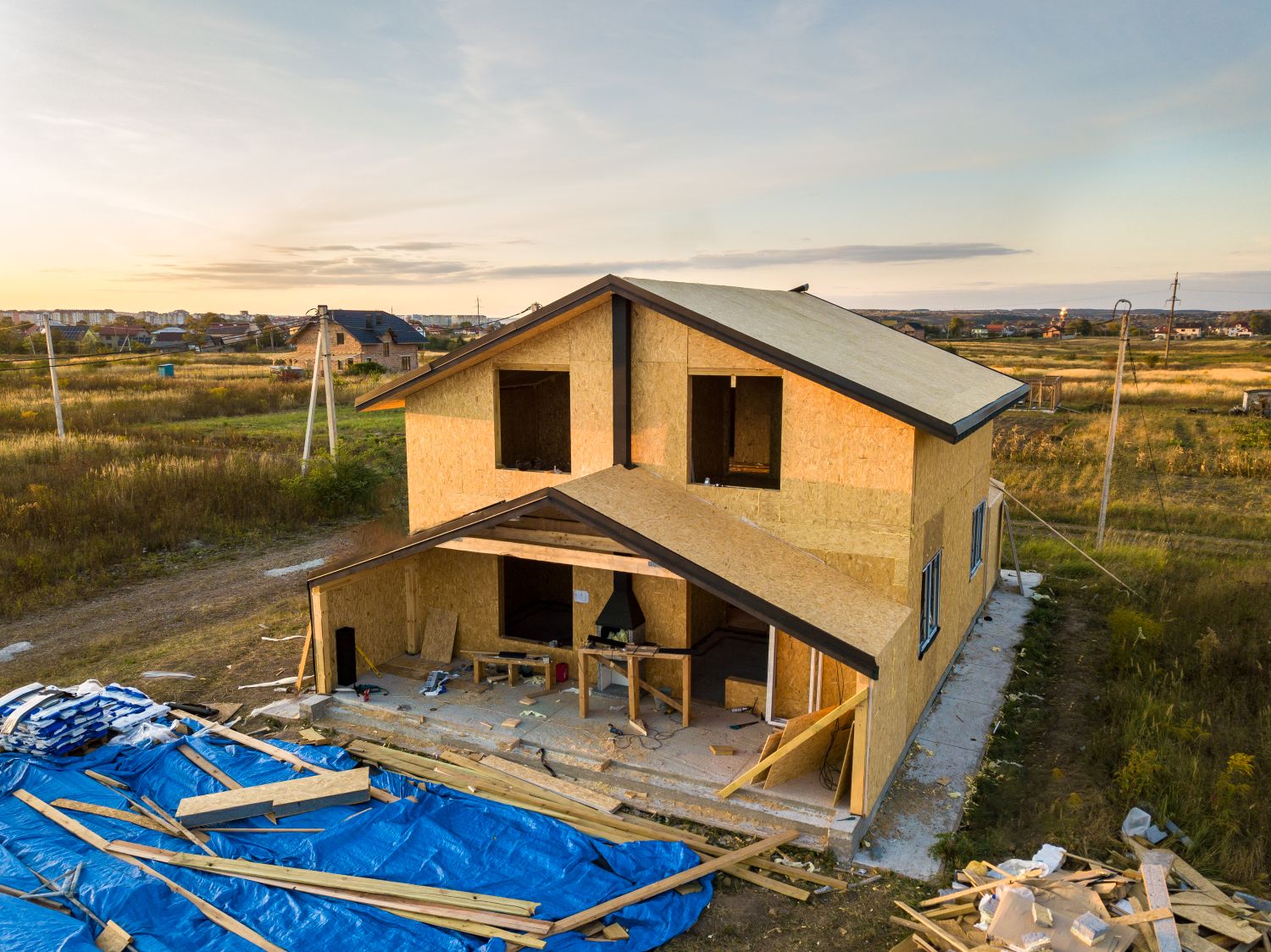
Building a quality home on a budget is not merely a dream; it’s an achievable reality for many. Affordable housing plays a crucial role in fostering communities and enhancing quality of life. This article explores essential strategies for planning a budget, choosing optimal locations, and designing efficient spaces, while also examining innovative construction techniques and financing options. Delve into the world of affordable abodes and discover how you can create a lasting sanctuary without breaking the bank.
Importance of Affordable Homes
Affordable housing plays a crucial role in providing stability, reducing homelessness, and fostering economic growth, with significant implications for both local and national economies.
Investing in affordable housing offers a range of benefits. Research indicates that every dollar invested in affordable homes can yield up to $2.30 in economic returns, primarily through job creation and increased local spending.
To effectively promote these initiatives, strategies such as forming public-private partnerships, leveraging tax incentives to attract developers, and implementing community land trusts are recommended.
Cities like Austin, Texas, exemplify these strategies by successfully creating over 1,000 affordable housing units annually, demonstrating a sustainable approach to addressing housing insecurity while simultaneously enhancing the local economy.
Overview of Budget Construction
Budget construction emphasizes the efficient management of resources, employing innovative approaches to deliver high-quality housing while avoiding excessive expenditures.
One effective strategy for achieving cost-effective construction is the utilization of modular construction techniques. For instance, a company such as Project Frog specializes in designing prefabricated components that can be assembled on-site, thereby significantly reducing labor costs.
Incorporating local materials, such as reclaimed wood or bricks produced within the community, can further decrease transportation costs and support local businesses. A notable example is the Timberline Housing Project, which utilized local timber for its framing. This approach resulted in a 20% reduction in overall costs while preserving the quality and durability of the structure.
Planning Your Budget
Effective budget planning is essential for prospective homeowners, as it enables them to account for both anticipated and unforeseen expenses related to their projects.
Setting Realistic Financial Goals
Setting realistic financial goals necessitates a thorough assessment of one’s current financial health and the development of a comprehensive plan that aligns with home buying aspirations.
Begin by evaluating your income, expenses, and debts. Utilizing budgeting tools such as Mint or YNAB can be beneficial for tracking and categorizing spending, with a target of saving at least 20% of your income towards a down payment.
Subsequently, establish a timeline for your purchase, aiming for a down payment of 20% within a three-year period. This approach creates a specific savings objective; for instance, if you intend to purchase a home valued at $300,000, your goal should be to save $60,000.
Finally, adjust your monthly budget to prioritize savings and curtail discretionary spending, thereby ensuring consistent progress towards your financial goal.
Understanding Hidden Costs
Homebuyers frequently overlook hidden costs, which can account for up to 15% of the total purchase price, significantly impacting overall affordability. These hidden costs may encompass several critical factors:
- Property taxes, which vary by location and can add thousands of dollars annually.
- Homeowners insurance, essential for protecting one’s investment.
- Maintenance expenses, typically estimated at 1% of the home’s value per year.
It is advisable to create a checklist prior to purchasing a home:
- Research local property tax rates.
- Obtain quotes for homeowners insurance.
- Allocate a budget for annual maintenance.
Taking these factors into consideration at the outset can greatly enhance the home-buying experience and prevent potential financial strain in the future.
Choosing the Right Location
The selection of an appropriate location is critical for affordable housing, as it must balance cost considerations with accessibility to essential services and community amenities.
Factors Influencing Location Costs
Several factors, including proximity to urban centers and local economic conditions, have a significant impact on housing location costs.
To conduct a thorough analysis of local real estate market trends, it is advisable to utilize tools such as Zillow and Redfin. Begin by examining the ‘Market Overview’ sections on these platforms to assess price trends and inventory levels.
For instance, neighborhoods such as Bushwick in Brooklyn and the Mission District in San Francisco are experiencing gentrification, as evidenced by rising property values and new developments.
Furthermore, it is beneficial to track neighborhood demographics and local business growth by utilizing resources such as the U.S. Census Bureau. This data offers valuable insights into potential future trends in housing costs.
Community Resources and Amenities
Access to community resources, including public transportation, parks, and educational institutions, can significantly enhance the value of an affordable home.
To effectively evaluate community amenities, it is advisable to begin by visiting local government websites, which typically provide comprehensive maps and lists of available resources. For example, in Austin, Texas, one can explore the city’s parks and recreation page to identify nearby parks and recreational facilities.
Additionally, websites such as Zillow and Realtor.com can provide valuable insights into the quality of local schools and their respective ratings. In cities like Portland, community resources-such as bike lanes and public transportation options-are prominently highlighted, facilitating buyers in assessing the overall livability of various neighborhoods.
Designing for Affordability
Designing homes with affordability in mind necessitates the optimization of space and the strategic use of cost-effective materials to minimize overall expenses.
Space Efficiency and Layout
Implementing open floor plans can significantly enhance spatial efficiency, allowing smaller homes to appear more spacious while also reducing construction costs.
To design an effective open floor plan, it is advisable to utilize tools such as RoomSketcher or SketchUp, which facilitate the visualization of layouts in three dimensions.
Additionally, consider incorporating multi-functional furniture, such as a dining table that also serves as a workspace, to maximize the utility of the available space.
The integration of mobile partitions can offer flexibility, allowing for the creation of distinct areas as needed.
Moreover, it is important to prioritize natural light by strategically positioning windows and lighting to maintain a bright and inviting atmosphere.
These modifications not only enhance the aesthetic appeal but also improve the functionality of smaller homes.
Material Selection for Cost Savings
Choosing sustainable materials not only helps to reduce costs but also fosters environmental responsibility in affordable housing projects.
When selecting materials, bamboo is an excellent option for flooring due to its rapid growth and durability, typically costing between $3 and $5 per square foot. For structural components, recycled steel provides significant strength and longevity, available at approximately $0.50 to $1.00 per pound. Additionally, reclaimed wood can introduce unique character to a project, with costs ranging from $5 to $15 per square foot.
Utilizing resource platforms such as MaterialBank or local salvage yards can facilitate access to these materials while ensuring responsible sourcing practices. This thoughtful approach to material selection can significantly minimize waste and enhance the sustainability credentials of the project.
Construction Techniques
Innovative construction techniques, including modular homes, have the potential to significantly reduce both construction timelines and costs, thereby enhancing the affordability of housing.
Modular and Prefabricated Options
Modular homes can be constructed in a matter of weeks rather than months, providing a significant advantage in terms of time efficiency and cost-effectiveness. For instance, a recent project undertaken by Method Homes demonstrated the feasibility of building a 1,500 square-foot modular home in just 12 weeks, with a total expenditure of $250,000. This comprehensive cost covered site preparation, assembly, and finishing details, resulting in savings of approximately 30% compared to traditional construction methods.
The key benefits of modular homes include:
- Reduced waste
- Enhanced energy efficiency
- Flexibility in design customization
To identify reputable modular builders, it is advisable to visit the websites of established companies such as Deltec Homes or Blu Homes for further information regarding their offerings.
DIY vs. Hiring Professionals
While do-it-yourself (DIY) projects may offer cost savings, engaging professional services ensures adherence to quality standards and compliance with building codes, often resulting in superior long-term outcomes. This consideration is particularly significant given that nearly 70% of DIY renovations fail to meet homeowner expectations, frequently due to issues related to non-compliance.
For instance, plumbing and electrical work generally require specific certifications; non-compliance in these areas can lead to substantial fines or complications when attempting to sell the property.
Platforms such as HomeAdvisor can facilitate connections with licensed professionals in your area, thereby streamlining the search process. It is advisable to budget for contractor fees, which can vary considerably based on the complexity of the project; however, this should be viewed as a prudent investment in both peace of mind and enduring results.
Financing Your Home
Comprehending available financing options is crucial for prospective homeowners seeking to secure affordable housing that aligns with their budgetary constraints.
Government Programs and Grants
Government programs play a crucial role in reducing costs for homebuyers by providing subsidies and grants that promote affordable housing. A notable example is the U.S. Department of Housing and Urban Development’s (HUD) Home Investment Partnerships Program (HOME), which allocates funding to states and localities for initiatives aimed at creating affordable housing.
To be eligible, applicants generally need to demonstrate low-income status, and the funding may be utilized for rehabilitation, new construction, or rental assistance.
The application process typically requires the submission of a detailed proposal through the local housing authority. Additionally, the U.S. Department of Agriculture (USDA) offers Rural Development loans, which necessitate little to no down payment for eligible rural homeowners.
Familiarity with these options can result in significant savings and enhance accessibility to homeownership.
Exploring Mortgage Options
Selecting the appropriate mortgage option is of paramount importance, as various types-including fixed-rate and adjustable-rate mortgages-significantly influence long-term affordability.
Fixed-rate mortgages provide stability by locking in an interest rate for the duration of the loan term, which typically spans from 15 to 30 years. Currently, interest rates for a 30-year fixed-rate mortgage are approximately 3.5%.
Conversely, adjustable-rate mortgages offer lower initial rates, often around 2.5%, but these rates may fluctuate following an initial fixed period. To evaluate available options, it is advisable to utilize resources such as Bankrate to compare lenders and identify competitive rates that align with one’s financial situation.
This methodology enables individuals to make informed decisions based on prevailing market conditions and their personal budgetary constraints.
Recap of Key Strategies
Key strategies for achieving affordable housing encompass realistic budgeting, thorough evaluation of location costs, and the utilization of government programs.
To establish a sustainable housing plan, one should begin by developing a comprehensive monthly budget that prioritizes essential expenses. It is important to assess various neighborhoods to compare average housing prices; resources such as Zillow and NeighborhoodScout can be instrumental in evaluating both costs and neighborhood quality.
Furthermore, it is advisable to explore government assistance programs, including HUD’s housing vouchers or local first-time buyer incentives, which can substantially reduce monthly payments. Additionally, considering shared housing or cooperative living arrangements can enhance affordability while fostering community connections.
Encouragement for Future Homeowners
Future homeowners should maintain a sense of optimism, as there are numerous resources and strategies available to assist in the pursuit of affordable housing.
Initially, it is advisable to explore various financing options, such as FHA loans, which facilitate lower down payments. Additionally, researching local grant programs can provide valuable financial assistance.
For a more comprehensive approach, engaging with community housing organizations that offer resources and support is beneficial. Websites such as HUD.gov can direct individuals to local programs specifically designed for first-time buyers.
Participating in workshops can further enhance one’s understanding of the homebuying process while providing networking opportunities with industry professionals and fellow prospective homeowners.
By utilizing these resources, individuals can effectively transform their aspirations into reality.