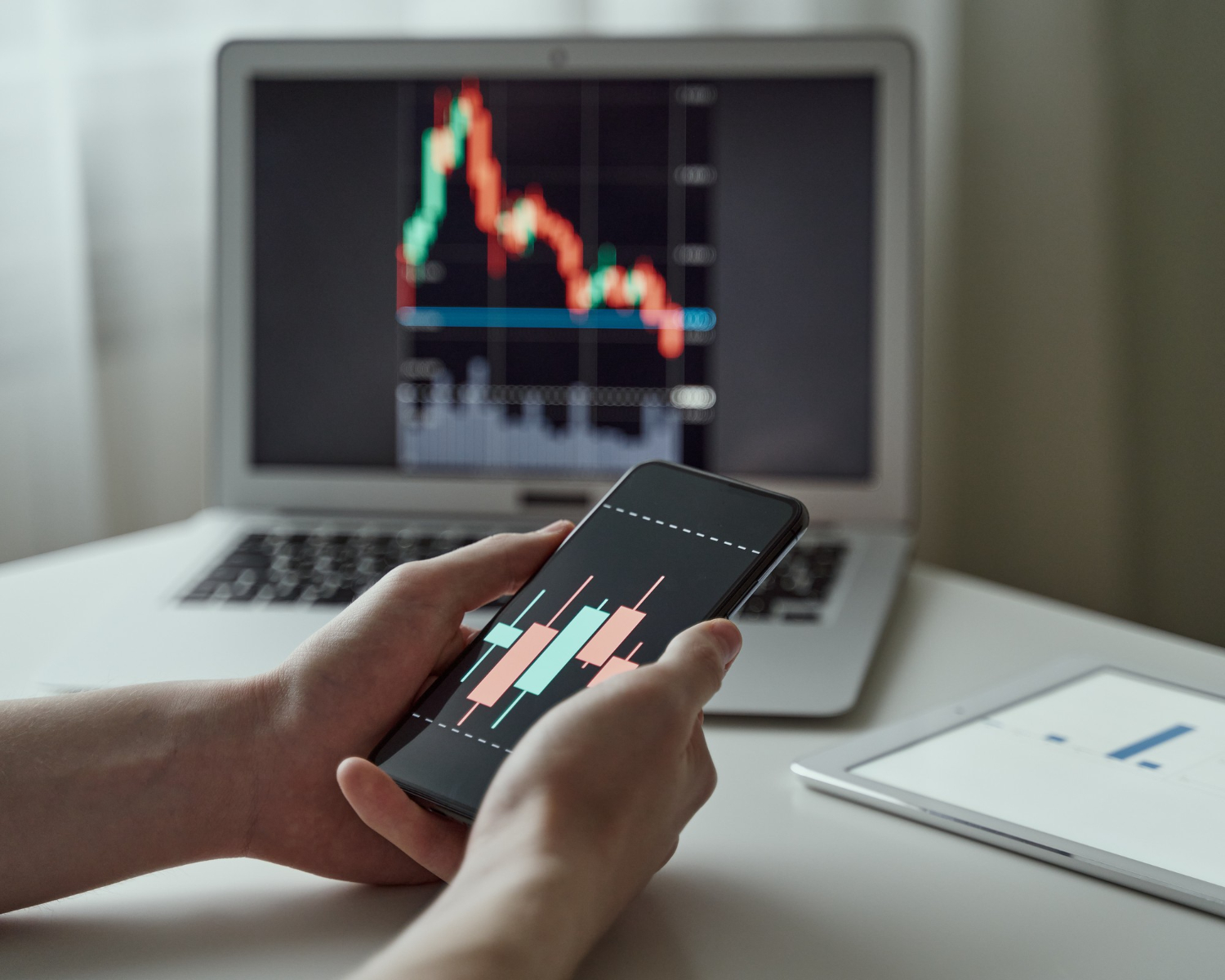
Navigating the complexities of Forex trading can be a daunting journey, especially in the vibrant landscape of the Philippine economy. Understanding the nuances of the Peso and its impact on global markets is crucial for success. This playbook reveals essential strategies employed by successful Filipino traders, looking into technical analysis, risk management, and common pitfalls to avoid. Equip yourself with insider knowledge and elevate your trading game-unlock the secrets that can transform your financial future.
Understanding the Peso: Its Role in Forex
The Philippine Peso is a significant currency in foreign exchange trading, with its value being affected by a variety of local and global economic factors.
Factors Influencing the Peso
Key factors influencing the Peso include inflation rates, interest rate adjustments by the Bangko Sentral ng Pilipinas (BSP), and geopolitical events. These elements interact to create potential trading opportunities. For example, increasing inflation rates tend to reduce purchasing power, which may lead the BSP to modify interest rates, currently set at 4.25%, in order to stabilize the economy.
Moreover, global economic developments, such as alterations in trade policies, can have a substantial effect on the value of the Peso. Political stability is also a critical consideration; for instance, a recent resolution of political tensions resulted in a temporary strengthening of the Peso, illustrating how market sentiment can influence trading behavior. It is essential for traders to closely monitor these variables to make well-informed decisions.
Key Strategies of Successful Filipino Traders
Successful Filipino traders utilize a combination of technical analysis and risk management strategies specifically tailored to the local foreign exchange market.
Technical Analysis Techniques
Filipino traders frequently employ technical analysis techniques such as candlestick patterns, Fibonacci retracement, and the Relative Strength Index (RSI) to forecast price movements. To enhance trading strategies, it is advisable to concentrate on three specific techniques.
- First, it is essential to identify support and resistance levels by analyzing historical price data; for example, a chart displaying previous highs and lows can provide valuable insights for decision-making.
- Second, the application of Fibonacci retracement can assist in identifying potential entry and exit points-specifically, one should focus on retracement levels around 23.6%, 38.2%, and 61.8%.
- Lastly, utilizing the Relative Strength Index (RSI) is beneficial for assessing momentum; readings below 30 may indicate oversold conditions, suggesting a possible buying opportunity.
The integration of these methods can significantly enhance trading accuracy.
Risk Management Practices
Effective risk management is crucial for Filipino traders and encompasses techniques such as setting stop-loss orders and understanding position sizing. A prudent practice is to limit the risk associated with any single trade to 1-2% of one’s total trading capital. For example, if the total capital is 100,000, the risk should not exceed 1,000 to 2,000 per trade.
Implementing stop-loss orders is essential for protecting investments; for instance, when entering a trade at 1.12, it is advisable to set a stop-loss at 1.10 to mitigate potential losses.
Moreover, it is important to regularly evaluate risk-reward ratios, with a goal of achieving at least a 1:2 ratio. This means that for every 1 at risk, the target should be 2 in potential profit. Such a disciplined approach is instrumental in fostering long-term success in trading.
Common Mistakes to Avoid
Avoiding common mistakes can significantly enhance the success rate of Filipino traders in the competitive forex market.
Some prevalent pitfalls include:
- Over-leveraging, where traders risk more than 10% of their capital, which can lead to substantial losses.
- Disregarding economic news, such as announcements from the Bangko Sentral ng Pilipinas, which can impede informed trading decisions.
- Emotional trading often arises from failing to adhere to a defined trading plan.
- The absence of a trading journal prevents traders from tracking their performance and learning from past mistakes.
Furthermore, neglecting educational resources such as Investopedia can hinder professional growth. It is essential for each trader to commit to continuous learning, establish strict risk management protocols, and maintain discipline in order to navigate these challenges effectively.
Resources for Aspiring Traders
Aspiring Filipino traders can enhance their skills through a variety of educational resources, platforms, and community support. Among the most valuable resources available are online courses, such as Udemy’s trading Forex course, which is offered at a competitive price of $19.99 and has been deemed invaluable by many users for its foundational knowledge.
Engaging in trading forums, such as the Forex Philippines forum, facilitates networking and the exchange of experiences with peers in the field.
Participating in mentorship programs, including local community workshops, provides hands-on guidance and practical insights. For daily analysis and insights, tools like TradingView are essential for charting trends, while YouTube channels, such as Rayner Teo, offer free strategies that have proven beneficial for many traders seeking to refine their techniques.